
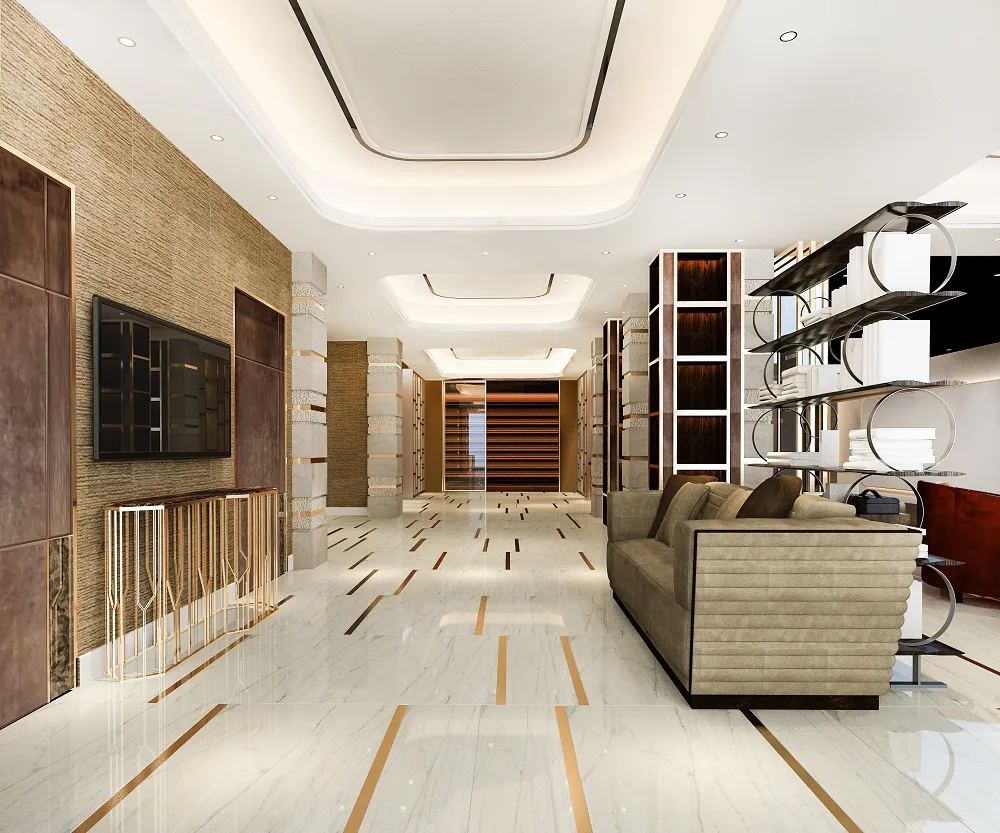
An office floor does more than support desks, chairs, and daily foot traffic. It influences how visitors perceive a business, how easily employees move between rooms, and how much time cleaners spend maintaining shared spaces. Worn carpets or damaged surfaces can make an otherwise attractive workplace feel neglected. For property managers exploring epoxy flooring office solutions, the decision should involve more than color selection. Understanding the relationship between appearance, durability, acoustics, and everyday maintenance helps create a workplace that remains practical as business needs evolve.
First Impressions Begin Underfoot
Reception areas introduce visitors to a company’s standards before a conversation even begins. Scratched surfaces, stained flooring, or inconsistent finishes can distract from carefully planned interiors. A clean, coordinated floor creates a more professional setting without requiring elaborate decoration. Neutral colors often complement different furniture arrangements, while subtle decorative finishes can add character. However, businesses should consider lighting and the surrounding design before choosing highly reflective surfaces. The goal is to create visual consistency that supports the company’s identity rather than competing with it.
Different Rooms Have Different Requirements
An office building rarely functions as one continuous workspace. Reception areas experience visitor traffic, meeting rooms accommodate movable furniture, and break rooms face occasional food and drink spills. Storage areas may require greater resistance to equipment movement. Choosing one finish without considering these differences can create maintenance difficulties. A practical flooring plan identifies how each room will be used and what kind of wear it might experience. This allows property managers to prioritize suitable materials rather than selecting finishes based solely on appearance.
Consider Cleaning Before Choosing Finishes
Office cleaning often takes place outside normal working hours, leaving limited time for extensive maintenance. Smooth, properly installed concrete coatings can simplify routine cleaning because they do not contain carpet fibers that trap dust or dirt. However, cleaning requirements depend on the selected system, surface texture, and manufacturer’s recommendations. Highly textured floors may require additional attention, while glossy finishes can reveal certain marks. Discussing maintenance expectations before installation helps businesses choose surfaces that cleaning teams can manage efficiently throughout the working week.
Balance Visual Appeal With Comfort
A polished-looking office is not necessarily a comfortable one. Hard flooring can contribute to reflected sound, particularly in open-plan spaces with limited soft furnishings. Footsteps, rolling chairs, and conversations may become more noticeable without appropriate acoustic planning. Rugs, ceiling treatments, and furniture can help manage these effects. Slip resistance is equally important around entrances where rainwater may be tracked inside. Flooring decisions should therefore consider how people experience the workplace, not just how the finished surface appears in photographs.
Account For Furniture And Movement
Office furniture creates concentrated areas of wear that are easy to overlook during renovations. Rolling chairs repeatedly cross the same sections, while heavy desks and filing cabinets place loads on relatively small areas. Suitable chair casters, protective pads, and thoughtful furniture placement can reduce unnecessary surface damage. Contractors should understand these conditions when recommending a finish. Businesses planning future layout changes may also prefer flooring that extends consistently beneath workstations, making rearrangement easier without exposing unfinished sections or creating visible material transitions.
Schedule Renovations Around Office Hours
Replacing an office floor can affect employees, clients, and building access. Preparation equipment may generate noise, while installation work can temporarily restrict movement between rooms. Coating systems also require appropriate curing time before furniture and normal traffic return. Property managers should discuss phased installation, ventilation, and access arrangements with contractors. Weekend scheduling may reduce disruption, but it does not eliminate product-specific curing requirements. A realistic project timetable protects the new surface and helps employees understand when each workspace will become available again.
Evaluate Costs Beyond Initial Installation
The installation quotation represents only one part of a commercial flooring investment. Property managers should also consider cleaning frequency, expected maintenance, repairs, and the potential cost of future replacement. An attractive surface that needs constant specialist attention may become expensive over time. Comparing proposals should involve preparation methods, materials, warranty conditions, and projected service requirements. The cheapest option is not automatically the best value, particularly in heavily used areas. Long-term planning helps businesses make decisions that remain sensible after the renovation is complete.
Conclusion
A successful office renovation should make the workplace easier to use, maintain, and adapt rather than simply changing its appearance. Flooring plays an important role in that outcome because it connects every room and supports nearly every daily activity. Businesses across the Chicago area can explore commercial flooring options and request a project-specific estimate through evolveconcretecoating.com. The most effective design choices often go unnoticed because they work so naturally. A good office floor should support the people using it without demanding constant attention.
