
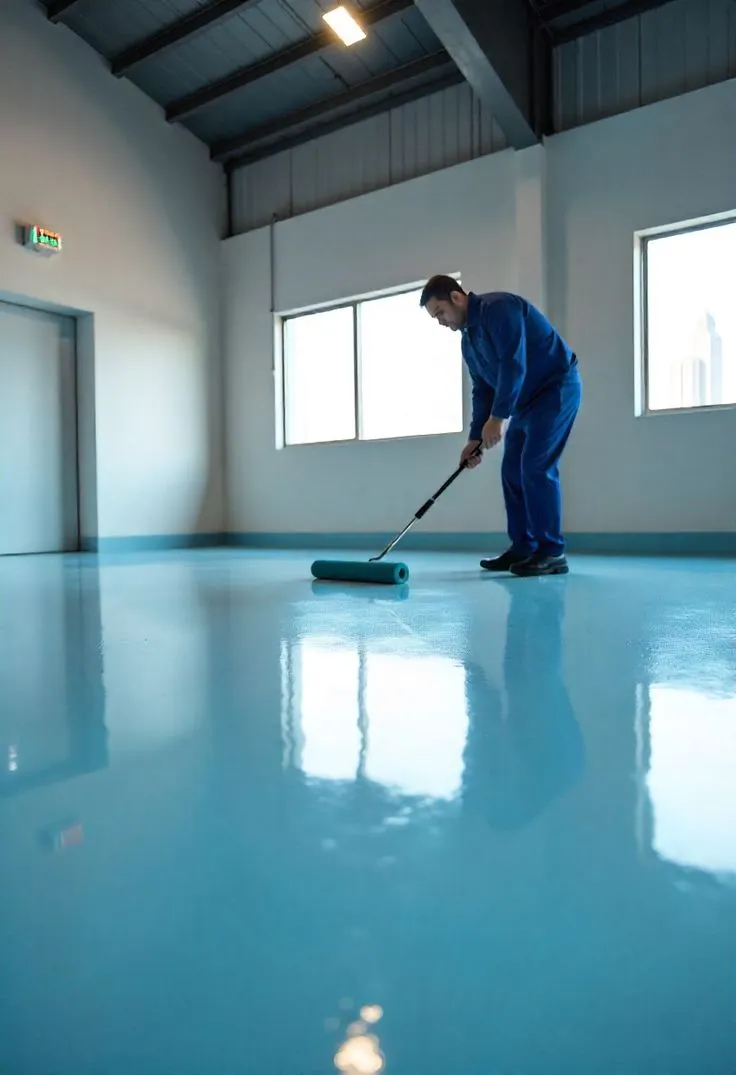
A commercial floor does more than support furniture and equipment. Employees walk across it throughout the day, deliveries pass through loading areas, and cleaning crews depend on surfaces that can withstand repeated maintenance. When flooring begins deteriorating, these everyday activities become more difficult. Investing in commercial epoxy flooring can help businesses create durable, easier-to-maintain surfaces that support their operational requirements. From retail stores to busy warehouses, the right flooring system can influence cleanliness, safety, and long-term maintenance expenses.
Understanding Different Commercial Flooring Demands
A retail showroom experiences different flooring challenges than an automotive workshop. Customers expect an attractive environment, while industrial employees need surfaces capable of handling equipment movement and frequent use. Warehouse floors may encounter pallet jacks, forklifts, and heavy storage systems. Automotive facilities regularly experience oil spills, tire contact, and chemical exposure. These conditions demand careful material selection rather than a standard decorative finish.
Business owners should evaluate their daily activities before selecting a flooring system. Understanding the environment helps determine the appropriate coating thickness, texture, and protective properties.
Why Surface Preparation Determines Performance
Many flooring problems begin beneath the visible finish. Dust, existing sealers, oil contamination, and moisture can interfere with coating adhesion if the concrete is not adequately prepared. Mechanical grinding is commonly used to remove unsuitable surface materials and create a profile that allows the coating to bond effectively. Cracks and damaged sections may also require repairs before installation.
Moisture testing is particularly important when concrete conditions are uncertain. Excessive moisture vapor can contribute to coating failure, even when the finished surface initially appears satisfactory. Proper preparation requires additional effort, but it creates the foundation for reliable long-term performance.
Selecting Features That Support Operations
Businesses often focus on durability when discussing flooring improvements. However, several other characteristics influence whether the finished surface meets daily expectations.
Important considerations include:
-
Chemical resistance: Select materials appropriate for the substances used in the facility.
-
Surface traction: Consider slip-resistant additives where liquids or frequent washing create hazards.
-
Cleaning efficiency: Seamless finishes can simplify routine cleaning and spill removal.
-
Visual organization: Different colors can help distinguish work zones or operational areas.
-
Repair accessibility: Understand how damaged sections can be maintained or restored.
These requirements should be discussed before installation rather than after the business resumes normal operations.
Working With Experienced Flooring Professionals
Choosing an experienced epoxy flooring contractor involves more than comparing initial quotations. Commercial installations require an understanding of concrete conditions, product compatibility, and operational schedules. A qualified professional should explain the recommended surface preparation method, coating system, curing requirements, and maintenance procedures. These details help businesses understand what they are purchasing and how the floor will perform.
Project scheduling also deserves attention. Some businesses can temporarily close individual areas, while others must coordinate flooring work around deliveries or production schedules. A clear installation plan minimizes unnecessary disruption and helps managers prepare employees for temporary access restrictions.
Creating Better Organized Working Environments
Floor appearance can influence how employees and visitors experience a facility. A consistent surface makes commercial interiors feel more maintained and can complement surrounding equipment, walls, and lighting. Different finishes also provide opportunities for practical organization. For example, designated areas may use contrasting colors to distinguish storage spaces from walkways, provided those markings meet applicable safety requirements.
In customer-facing environments, decorative finishes can support a professional presentation without relying on delicate traditional flooring materials. Industrial settings may prioritize understated colors that make spills and surface contamination easier to identify. The ideal finish reflects the facility’s purpose rather than simply following current design trends.
Managing Maintenance Without Unnecessary Disruption
Even high-performance flooring requires appropriate cleaning. Abrasive dirt should be removed regularly, especially in areas where equipment moves across the surface. Cleaning products must be compatible with the installed coating. Strong chemicals can damage certain finishes, so facility managers should follow manufacturer recommendations.
Spills should be addressed promptly, and heavily used areas should undergo periodic inspections. Small defects can often be managed before they develop into more expensive repairs. A documented maintenance schedule also helps employees understand their responsibilities and maintain consistent standards across the property.
Conclusion
Commercial flooring decisions affect daily operations, employee convenience, and long-term property maintenance. Businesses benefit most when material selection, professional preparation, and realistic maintenance planning are considered together. A properly specified coating system can help create a cleaner, more durable environment suited to demanding activities. Companies exploring professional flooring services in Atlanta and surrounding communities can visit khaysservices.com to learn about available coating solutions and installation options.
