
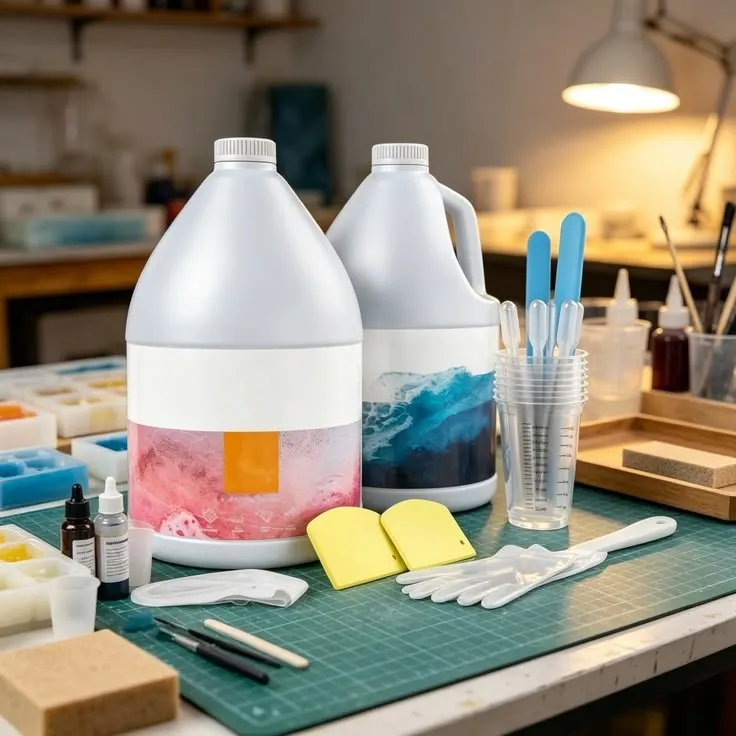
Some concrete floors need more than a simple decorative coat. Retail interiors, studios, and workrooms may require a smooth resin finish that balances appearance with wear resistance. Contractors researching jp resin los angeles products can start by examining the role of self-leveling materials, but an attractive sample does not establish suitability for every slab. Product choice must consider preparation, thickness, working time, and service conditions. A systematic approach helps installers avoid selecting a familiar brand before understanding what the floor actually needs.
Establish the Purpose of the Finished Floor
Begin with the activities that will take place on the surface. A boutique may prioritize a uniform appearance, while a small production area might need resistance to carts and occasional chemical spills. Foot traffic, cleaning procedures, and the weight of stationary equipment all affect the proposed system.
Ask the client about future changes as well. A room planned as a showroom may later accommodate worktables or heavier storage. Recording these expectations encourages a realistic specification rather than treating the finish as a purely decorative purchase. It can also reveal whether additional protection is needed at doorways, loading points, or areas where equipment is frequently moved.
Understand What Self-Leveling Really Means
Self-leveling epoxy is formulated to flow and form a relatively smooth resin layer when installed according to its instructions. It does not automatically correct every slope, hollow, or structural defect in the underlying concrete. Surface geometry and application thickness still influence the outcome.
A contractor should distinguish a high-build epoxy coating from a cementitious floor leveler and from a structural repair product. Each serves a different purpose. Ask whether the planned material is intended as a base coat, finished wearing surface, or part of a multilayer system.
Compare the Complete Product System
The supplier lists JP Resin Next Level Flow Epoxy Kit among its available brand products. That listing establishes the product’s availability in its catalog, not a universal approval for every installation. Before specifying it, obtain the current technical data sheet and check the exact applications and limitations.
When comparing options from an epoxy resin store los angeles, consider required primers, compatible colorants, finishing layers, and approved cleaning methods. A mix of individually good products can still perform poorly if the layers are not designed to work together. Confirm that proposed color packs and additives have been evaluated with the selected system before ordering.
Confirm Conditions Before Ordering
The floor should be assessed before coating quantities are finalized. Look for previous paint, oily contamination, weak surface material, cracking, and evidence of moisture. These conditions can change the preparation process or make a proposed system unsuitable without additional treatment.
A practical project checklist includes:
-
Intended use and anticipated traffic loads.
-
Required surface profile and concrete repairs.
-
Manufacturer-approved primer and topcoat.
-
Specified application thickness and coverage.
-
Temperature, ventilation, and working-time limits.
-
Required curing period before normal use.
Document the findings and use them to check the material order. A reliable specification begins with site conditions rather than a preferred container size.
Plan Application Around Working Time
Two-component resins begin reacting once mixed. Pot life and usable application time depend on formulation, temperature, and batch size. A crew should prepare tools, divide responsibilities, and establish the pouring sequence before opening the first containers.
Do not adjust the resin-to-hardener ratio to change cure speed. Follow manufacturer instructions for mixing, spreading, recoat windows, and environmental limits. Warm Los Angeles job sites can create additional timing pressure, so realistic crew size and staging arrangements matter.
Explain Appearance and Maintenance Honestly
Clients may expect a perfectly flat, glasslike surface after seeing a small sample. In practice, lighting, concrete irregularities, application thickness, and substrate preparation all affect the finished look. Discuss acceptable variation and prepare a test area where the visual result is especially important.
Maintenance also depends on the selected system. Grit, chair movement, chemical exposure, and cleaning methods can gradually affect a glossy floor. Provide written care instructions and explain how repairs would be approached instead of promising an indestructible surface.
Conclusion
Selecting self-leveling epoxy is a technical decision involving the slab, intended use, compatible materials, and a realistic installation sequence. Contractors benefit from reviewing manufacturer documentation and discussing performance expectations before purchasing. A supplier can support product selection, but it cannot replace site assessment or skilled installation. Flooring professionals in Los Angeles and the San Fernando Valley can review available resin products and accessories through whatittakesla.com when preparing a carefully specified interior flooring project.
