
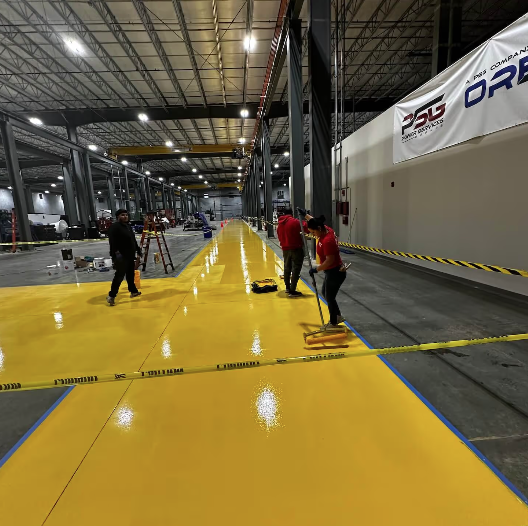
Floors take a beating nobody really notices until they look worn out. Garage floors, warehouse floors, even shop fronts start looking tired after a few years of foot traffic and spills. That is where concrete polishing comes in, and honestly, it is one of those upgrades people wish they had done sooner. It is not paint. It is not a coating that peels off in two winters. It is the concrete itself, ground down and buffed until it shines like glass, tough enough to survive forklifts and stiletto heels alike.
Why Floors Wear Out Fast
Regular concrete floors crack, dust, and stain because the surface stays porous. Oil soaks in. Water pools. Dirt grinds into tiny grooves you cannot even see. Over time this wears the slab down faster than most owners expect. A polished surface closes those pores off, so spills sit on top instead of sinking in. That single change cuts maintenance costs dramatically and keeps floors looking fresh for years, not months.
How the Grinding Process Works
Contractors use diamond-tipped grinding tools that work through several grit stages, starting rough and moving finer each pass. It is loud work, dusty too, unless proper vacuum systems are hooked up. Each pass smooths the surface a bit more until it reaches that mirror-like finish people associate with polished concrete. Some crews stop at a satin look. Others push for full high gloss. Either way, the slab underneath stays the same, just refined.
Where This Flooring Actually Shines
Retail stores love it because it photographs well and holds up under constant shoe traffic. Warehouses like it for forklift resistance. Restaurants use it since spilled sauce or grease wipes off easy. Even homeowners are catching on, especially for basements and garages where carpet or tile just does not make sense anymore. The versatility is honestly what keeps demand steady across so many different building types and budgets.
Cost Compared to Other Flooring Types
Tile needs grout lines that stain. Hardwood scratches and needs refinishing every decade or so. Polished slabs skip both problems entirely, and pricing usually lands lower per square foot once you count long-term upkeep. Concrete polishing avoids the recurring costs tied to sealing, waxing, or full replacement that other flooring types demand. For commercial spaces watching every dollar, that math adds up fast over five or ten years.
Maintenance Once the Job Is Done
People assume polished floors need special treatment, but really they just need a dust mop and occasional damp cleaning. No wax, no harsh chemicals, nothing complicated. A light reburnishing every few years keeps the shine sharp, though many floors go a decade without needing it. Compared to carpet cleaning schedules or hardwood refinishing, this is about as low effort as flooring maintenance gets, which surprises a lot of first-time owners.
Choosing the Right Local Contractor
Not every crew handles this the same way, and results vary a lot depending on equipment and experience. Ask to see finished projects nearby, not just photos online. Check whether they handle both residential garages and larger commercial slabs, since technique shifts a bit between the two. Pricing quotes should break down grinding stages, sealant type, and gloss level clearly, so nothing gets left out.
Conclusion
Floors get overlooked until they start falling apart, and by then repairs cost more than doing it right the first time would have. Polished concrete solves that problem quietly, holding up through years of use without demanding constant attention or expensive upkeep. Whether it is a home garage, a retail floor, or a warehouse full of forklifts, this option keeps proving itself worth the investment. Homeowners and business owners across the metro area researching flooring upgrades often end up on atlantaflooring.io looking for guidance on where to start, and that curiosity usually pays off once the work gets done.

