
Nobody spends much time thinking about the attic. It sits above the rooms we use each day, out of sight and often out of mind. Then a musty smell appears, a stain creeps across the ceiling, or a winter bill starts to climb. Oddly enough, the trouble may begin with a little water in the wrong place. Keeping an attic dry is not just about mould. It helps protect the roof, save insulation and keep small faults from becoming big jobs.
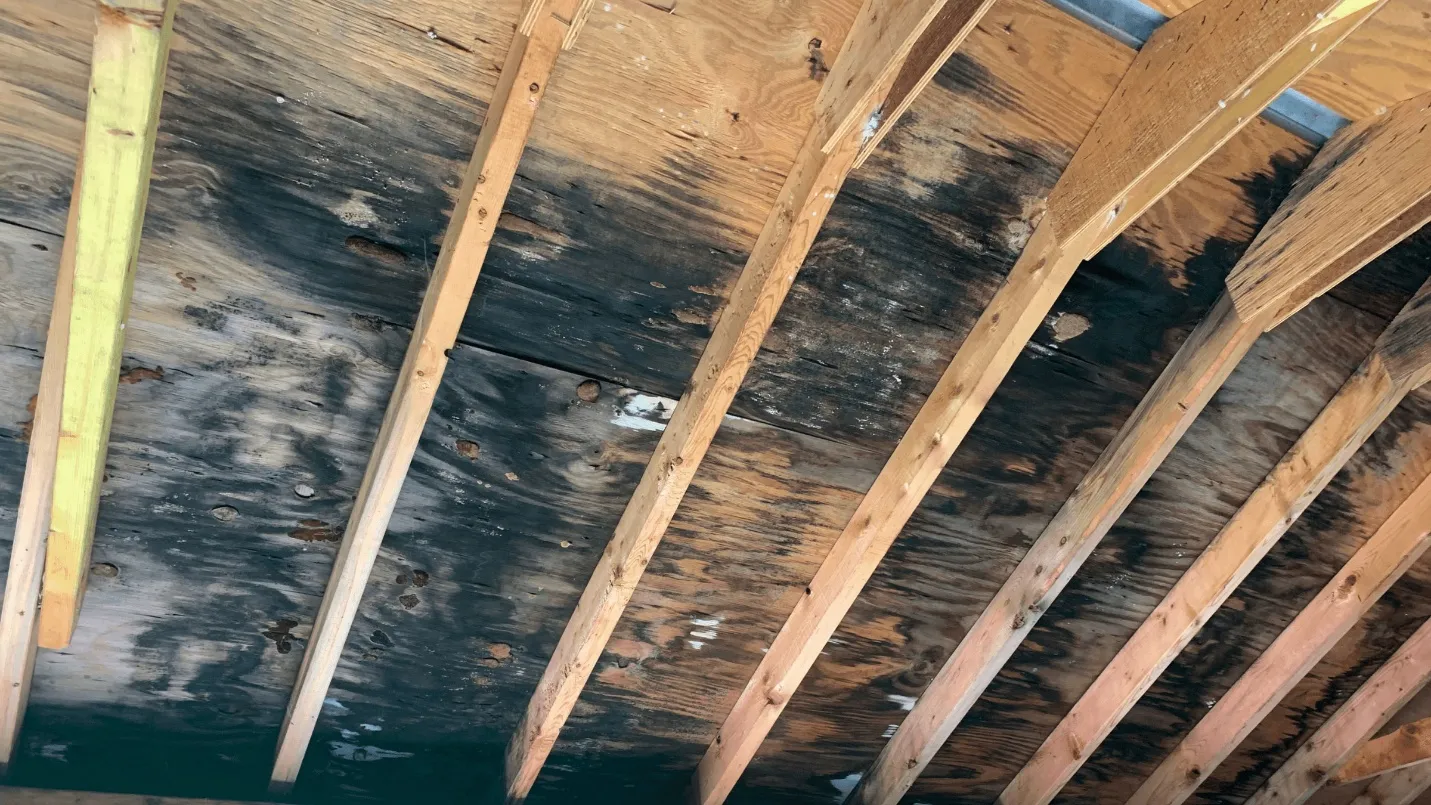
Up There, Water Leaves Clues
An attic can tell a story, if you know where to look. Roof boards may turn dark. Nails can rust. Insulation may feel damp or sit in clumps. Sometimes there is no clear mark at all, just a stale smell that will not go away. These signs do not always mean mould is present, but they deserve a closer look. Check the space after a storm or during cold weather, when water leaks and condensation may become easier to spot. Never step on loose ceiling boards.
Trouble With Trapped Moisture
Water does not always come through a broken roof. It can start inside the home. Warm, damp air rises from showers, cooking and laundry. When it meets cold roof boards, tiny drops may form. Over time, that damp layer can feed mould and damage wood. A bathroom fan that ends in the attic can make matters worse. So can blocked vents. The fix starts with finding where the water comes from. Opening a vent or buying a fan without checking the cause may not solve it.
When A Simple Wipe Falls Short
A dark patch on wood may look easy to clean. Yet wiping the surface does little if the timber stays wet. Mould can return, sometimes in places that are hard to reach. Homeowners looking for Schaumburg Attic Mold Removal Services should ask how the work will address both visible growth and its cause. Depending on the damage, the job may involve cleaning, removing ruined material or fixing a leak. The right plan should fit the attic, not follow the same steps in every house.
Old Insulation Has A Story
Insulation is meant to trap air and slow heat loss. Once it gets wet, it may not do its job well. It can also hold dampness against nearby wood. Adding a fresh layer on top is not a smart shortcut if the old material is still wet or moldy. First, find the source and let the area dry as needed. Some insulation may need to go. Other parts may be saved. A careful check can help avoid waste and stop hidden damage from being covered up.
Ask Better Questions Before Work Starts
A good service visit should leave you with clear answers, not more guesswork. If you contact a Glendale Heights Attic Mold Removal Company, ask what caused the problem, which areas need treatment and how the team will check for moisture. Find out whether damaged insulation must be removed and what repairs may be needed. You should also know what the quote covers. A low price can sound good at first, but it means little if the leak stays or mould soon comes back.
Conclusion
The attic may be out of sight, but it still plays a big part in home care. Look for damp signs, keep vents clear and fix leaks before they spread. If mould appears, do not stop at the stain. Find out why it grew. The right steps can protect the roof, help insulation work well and reduce the chance of repeat trouble. A dry attic is not a luxury. It is one less worry hanging over your home.