
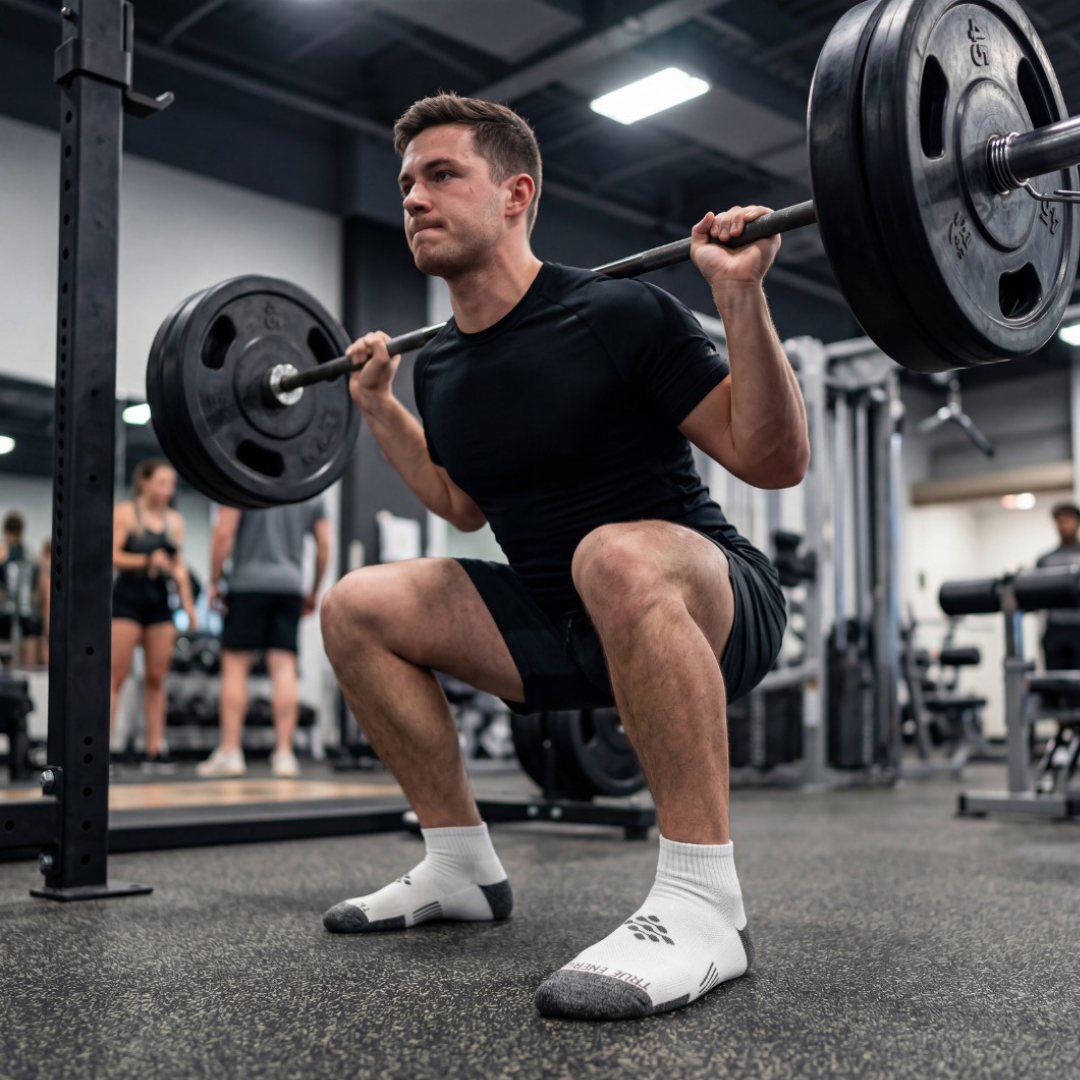
A home workout does not need a room full of expensive equipment. dailyscope.it.com covers practical fitness topics for people who want manageable exercise options. Many beginners assume that useful training requires large machines and a dedicated gym space. In reality, several basic items can support different types of movement at home.
The best equipment is not necessarily the most advanced product. It is the equipment that suits your space, ability, budget, and exercise preferences. A person who enjoys walking may need very little additional equipment. Someone interested in strength training may prefer a few resistance tools.
Before purchasing anything, think about what you actually want to do. Buying equipment without a clear purpose can create clutter and unnecessary expense. Start with simple options and learn how to use them safely. You can add more items later when your routine becomes clearer.
Deciding What Your Routine Needs
Begin by identifying the type of activity you want to practise. Some people prefer bodyweight workouts, while others enjoy resistance training. There are also people who want equipment for stretching, balance, or indoor cardio. Each goal may require different items.
Consider how much space is available in your home. A small apartment may not have room for large machines or bulky benches. Foldable or compact equipment may be easier to store. You should also consider whether other household members share the exercise area.
Set a realistic budget before shopping. You do not need to purchase everything at once. One useful item can be a better starting point than several products that remain unused. Choose quality, safety, and practical value over unnecessary features.
Starting With An Exercise Mat
An exercise mat is one of the simplest pieces of home workout equipment. It can provide a more comfortable surface for floor exercises. People often use mats for stretching, controlled bodyweight movements, and certain mobility exercises. A suitable mat should remain stable during use.
Check the mat’s thickness and material before buying. A very thin mat may feel uncomfortable on hard flooring. A very thick mat may make some standing movements less stable. Choose an option that suits the exercises you plan to perform.
Keep the mat clean and allow it to dry properly after use. Follow the manufacturer’s care instructions. Store it away from sharp objects and direct heat when recommended. Replace it if the surface becomes damaged or slippery.
Using Resistance Bands At Home
Resistance bands are compact and available in different strengths. They can support exercises for the arms, shoulders, back, hips, and legs. Many beginners like them because they are easy to store. However, the correct band strength matters.
Start with a band that allows controlled movement. A band that is too strong can make technique difficult. Learn the exercise before increasing resistance. You can often adjust difficulty by changing your position or using a different band.
Inspect bands before every session. Look for cracks, stretched areas, or signs of damage. Follow the manufacturer’s instructions when attaching bands to doors or other supports. Never use an attachment point that is unstable or unsuitable.
Choosing Dumbbells Carefully
Dumbbells are useful for many strength exercises. They come in different weights and materials, including fixed and adjustable versions. Beginners may prefer lighter options that allow them to learn basic movement patterns. The right weight depends on the exercise and personal ability.
Fixed dumbbells are simple to use but may require several pairs for different resistance levels. Adjustable dumbbells can save storage space, although their locking systems need careful checking. Choose equipment from a reliable seller and read the safety instructions. Avoid products with loose parts or damaged handles.
Store dumbbells where they cannot roll into walking areas. Use a stable surface and avoid lifting weights near fragile objects. Learn how to pick up and return them safely. If you are unsure about an exercise, ask a qualified trainer for guidance.
Trying A Skipping Rope
A skipping rope is a small item that can provide a demanding cardiovascular activity. It requires enough overhead and floor space to move safely. Beginners should first check whether the ceiling height and surrounding area are suitable. Avoid using a rope near furniture, pets, or other people.
Choose a rope length that matches your height and movement style. Many ropes allow adjustments, but follow the product instructions. Start with short attempts and practise basic coordination. There is no need to jump quickly or complete a long session immediately.
Skipping may not suit everyone. It involves repeated impact and requires balance and coordination. People with joint concerns, certain injuries, or limited exercise experience should consider suitable alternatives. Walking or low-impact activity may be more appropriate for some individuals.
Considering A Stability Ball
Stability balls are used for selected strength, mobility, and balance exercises. They come in different sizes and need enough space around them. Choose a size according to the manufacturer’s guidance and your body measurements. A ball that is too large or too small may make certain exercises difficult.
A stability ball can move unexpectedly when someone sits or leans on it. Beginners should learn how to use it with suitable support. Avoid attempting difficult exercises without instruction. Keep the ball away from sharp furniture and surfaces that could damage it.
You do not need a stability ball to complete an effective home workout. Many exercises can be performed on a stable floor or chair. Buy one only when you have a clear use for it. Equipment should support the routine rather than complicate it.
Using A Step Platform
A step platform can support certain cardio and strength movements. It should have a stable base and a surface designed for exercise. Avoid using household boxes, loose stools, or furniture as substitutes. These objects may shift during movement.
Check the platform’s weight limit and condition before use. Place it on a suitable floor and make sure it does not wobble. Begin with basic step-ups at a comfortable height. Use support when necessary and avoid rushing through repetitions.
Step exercises require enough room around the platform. Keep other equipment and household objects away from the movement area. Wear suitable footwear and check that the floor is not slippery. If stepping causes pain or instability, stop and choose another activity.
Buying An Indoor Exercise Bike
An indoor exercise bike may suit people who enjoy cycling but prefer exercising at home. It can be useful when outdoor conditions are uncomfortable. However, bikes vary in size, resistance systems, features, and price. Compare practical details before purchasing.
Check whether the bike can be adjusted to your height. Seat position and handlebar placement can influence comfort. The frame should feel stable during pedalling. If possible, try the model before buying or check the return policy.
Consider storage space and noise levels. Some models are easier to move than others. Read the product instructions and follow the maintenance schedule. A bike that fits your room and routine is more useful than one with features you rarely need.
Looking At Treadmills
Treadmills can provide indoor walking and running options. They require more space and usually cost more than simple home workout equipment. Before buying, measure the available area carefully. Include enough space around the machine for safe access.
Check the maximum user weight, speed range, cushioning information, and safety features. A safety key and emergency stop function are important details. Read the manufacturer’s installation and maintenance instructions. Do not operate a machine with damaged electrical parts or an unstable frame.
A treadmill is not essential for staying active at home. Walking outdoors or using indoor walking routes may be enough for many people. Consider whether you will genuinely use the machine regularly. A large purchase should have a clear purpose.
Choosing A Foam Roller
Foam rollers are used by some people for self-massage and recovery routines. They come in different shapes, sizes, and firmness levels. A beginner may prefer a softer option while learning how it feels. However, not every person needs one.
Use a roller only according to suitable instructions. Avoid pressing directly over painful areas, joints, or injured tissue. Excessive pressure can make discomfort worse. People with medical conditions or recent injuries should seek professional guidance first.
A foam roller should not be treated as a replacement for proper recovery. Sleep, appropriate training volume, and suitable movement remain important. You can maintain a balanced exercise routine without purchasing recovery accessories. Buy one only when it has a practical purpose.
Making Space For Exercise
A safe workout area needs more than equipment. Clear enough floor space for the movements you plan to perform. Remove loose rugs, cables, and objects that could cause trips. Check the floor surface before beginning.
Keep pets and children away from moving equipment during exercise. Store weights and resistance bands after each session. Do not leave ropes stretched across walking areas. Good organisation can make a small exercise space more useful.
Ventilation and lighting also matter. Choose a room where you can see the floor clearly and move comfortably. If the room becomes too warm, reduce the session or move to a cooler place. A comfortable environment supports regular activity.
Maintaining Your Equipment
Home equipment needs regular checks and basic cleaning. Inspect resistance bands for damage and examine weight equipment for loose parts. Wipe down mats and handles according to product instructions. Do not use equipment that appears unsafe.
Store items away from moisture when necessary. Some materials can become damaged when left in unsuitable conditions. Follow the manufacturer’s advice about cleaning and maintenance. Keep instructions somewhere accessible when equipment requires assembly.
Replace damaged products rather than trying risky repairs. A broken handle or unstable platform can create avoidable problems. If a machine develops an electrical or mechanical fault, stop using it. Contact the manufacturer or a qualified repair service when appropriate.
Avoiding Unnecessary Purchases
Fitness advertising often makes people feel that every new product is essential. This can lead to buying equipment before understanding personal preferences. A large collection does not automatically create a regular exercise habit. Start with activities you enjoy and choose equipment that supports them.
Try bodyweight exercises before purchasing several strength accessories. Walk regularly before investing in an expensive treadmill. Use a basic mat before deciding whether more specialised items are necessary. This approach helps you understand what you will actually use.
Also consider the total cost of ownership. Large machines may require delivery, installation, electricity, and maintenance. Smaller items may need replacement after regular use. Think about storage and long-term practicality before spending money.
Building A Simple Home Setup
A basic home setup can begin with an exercise mat and one suitable resistance option. Some people may prefer a pair of light dumbbells, while others may choose resistance bands. Walking shoes can also support indoor or outdoor activity. The right combination depends on personal goals.
Create a short list of exercises before buying additional items. Check whether each product has a clear role in your routine. Avoid purchasing several tools that all serve the same purpose. A simple setup is easier to organise and maintain.
As your experience develops, you may decide to add equipment. Make each purchase after understanding the need. This allows your home workout area to grow gradually. It also reduces the chance of filling your space with unused products.
Conclusion
Home workout equipment can make exercise convenient, but it does not need to become expensive or complicated. Mats, resistance bands, dumbbells, and suitable cardio equipment can support different activities. Choose products according to your available space, ability, and actual routine. Safety and comfort should matter more than appearance or extra features.
Start with a few useful items and learn how to use them correctly. Inspect equipment regularly and keep your workout area organised. Add more products only when they serve a clear purpose. A simple home setup can support consistent activity without creating unnecessary clutter.
Keep exploring practical fitness ideas and choose equipment that makes regular movement easier to maintain.
Read also :-