
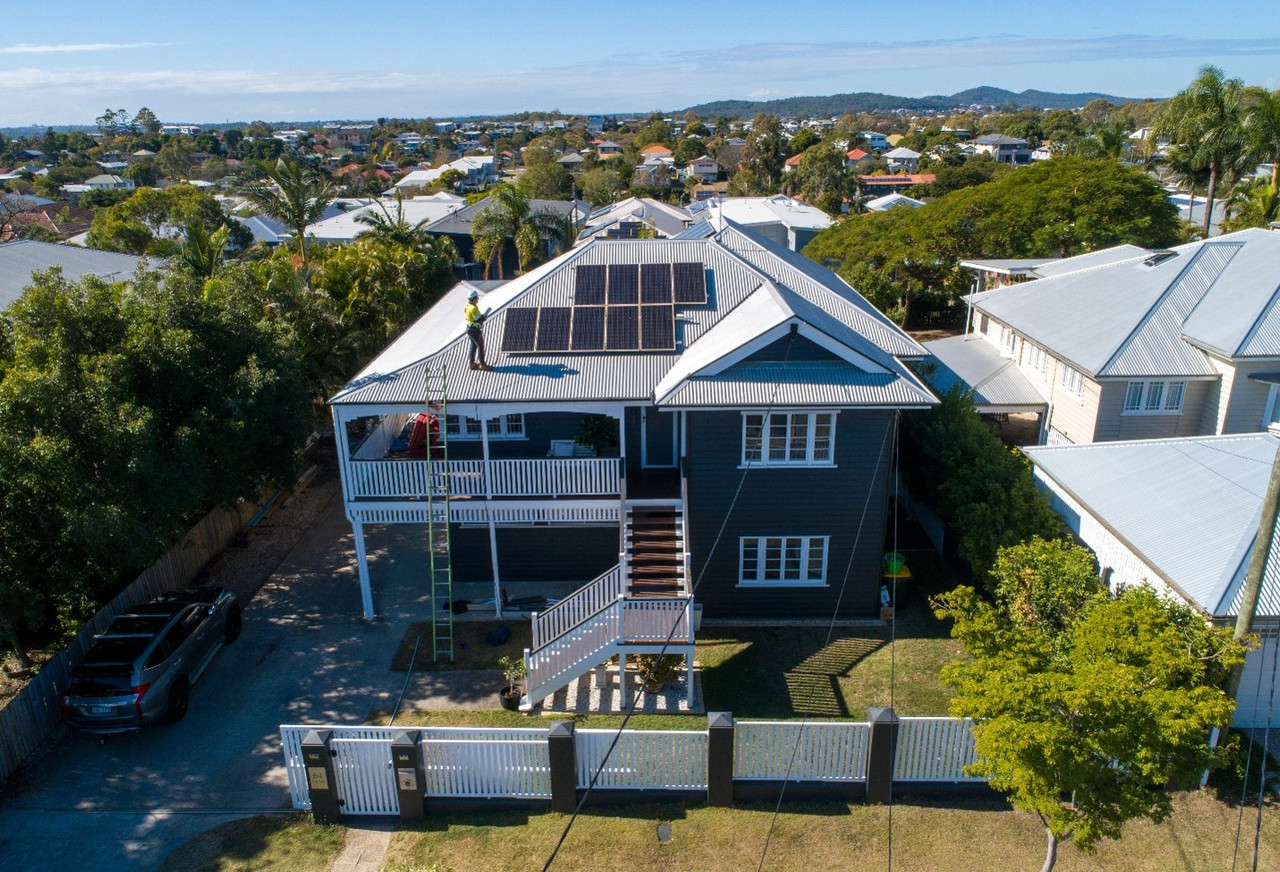
Not all contaminants affect solar panels in the same way. A thin layer of dust, a patch of bird droppings and a pile of wet leaves can all reduce solar performance differently. The location, thickness and persistence of the material are just as important as the type of debris itself.
Understanding the most common forms of contamination helps homeowners decide when simple observation is sufficient, when professional cleaning is worthwhile and when a broader technical inspection may be needed.
Fine Dust Creates Widespread Light Reduction
Dust typically settles as a light, even film across the surface of the panels. It is common in areas near construction sites, unsealed roads, dry open land and locations with frequent vehicle traffic. While a small amount of dust may have only a minor effect, heavier build-up can reduce the amount of sunlight reaching the solar cells. Because this decline often occurs gradually, it can be difficult to detect through electricity bills alone. Comparing system performance over similar weather conditions and seasons can help identify whether energy production has reduced over time.
Bird Droppings Cause Concentrated Shading
Bird droppings create a different type of problem by blocking a small but concentrated section of a panel. Even though the affected area may appear minor, the resulting shading can have a greater impact than a thin layer of dust spread evenly across the array. Rain may soften bird droppings but often does not remove them completely, particularly once they have dried onto the glass. Homeowners should avoid scraping the surface with metal tools or using harsh chemicals, as these methods can scratch the glass or damage protective coatings. Persistent contamination is best removed using appropriate cleaning equipment and safe rooftop access procedures.
Leaves Can Block Light and Trap Moisture
Leaves, seed pods and other organic debris can accumulate on solar panels, especially where nearby trees overhang the roof. Dry material may blow away during windy conditions, while wet leaves often stick to the glass and collect along the lower edge of the panels. Organic debris can also interfere with water drainage and accumulate beneath the array. Even if the system continues generating electricity, this type of build-up should not be ignored, as it can become more problematic during prolonged wet weather or periods of rapid vegetation growth.
Pollen and Plant Residue Form Sticky Layers
Pollen can combine with moisture and surface dust to create a stubborn film that rainfall may not completely remove. This residue is often difficult to see from ground level, making it easy to overlook. Homes surrounded by flowering trees or dense vegetation may experience seasonal pollen build-up, meaning the ideal cleaning schedule often depends on the local environment rather than a fixed annual timeframe.
Salt Residue Is a Coastal Concern
In coastal areas, fine salt particles carried by sea air can settle on solar panels and exposed components. Salt residue may leave a hazy film on the glass and, when combined with moisture, contribute to corrosion around metal frames, mounting hardware and electrical enclosures. While cleaning removes visible salt deposits from the panel surface, it does not address any corrosion that may already be developing elsewhere in the system. Coastal homeowners should therefore view cleaning as only one part of a broader maintenance strategy.
When Cleaning Is the Right Response
A professional Solar Panel Cleaning Service in Brisbane may be appropriate when visible contamination remains after rainfall, energy production has declined without another obvious cause or the roof cannot be accessed safely.
High-pressure water, abrasive brushes and aggressive cleaning chemicals should be avoided, as they can damage protective coatings, seals and nearby electrical components. Professional cleaning should also take rooftop safety and electrical hazards into account.
When Cleaning Is Not Enough
Contamination is only one possible cause of poor solar performance. Even perfectly clean panels may underperform due to inverter faults, damaged wiring, loose electrical connections, increased shading or defective solar panels. If system output remains low after cleaning, the next step should be professional diagnosis rather than repeated washing. Monitoring data, inverter fault messages and the system’s service history can help identify the underlying cause.
Why Inspection Adds Important Context
A Solar Panel Inspection in Adelaide an determine whether contamination is the primary cause of reduced performance or simply one visible symptom of a larger issue. Adelaide’s dry conditions may encourage dust build-up, while heat, wind and seasonal storms can also affect mounting hardware and electrical components. During an inspection, a qualified technician can assess the condition of the panels, wiring, inverter, isolators, electrical connections and generation history. This broader assessment helps homeowners avoid spending money on unnecessary cleaning when a technical fault is actually responsible.
A Better Way to Measure Cleaning Results
The best measure of a successful panel clean is not how shiny the panels appear, but whether system performance improves under similar operating conditions. Homeowners should compare energy generation before and after cleaning across several clear days while taking into account weather conditions, temperature and daylight hours. If energy production remains largely unchanged, contamination may not have been the primary cause of reduced performance.
Conclusion
Dust, bird droppings, leaves, pollen and salt residue all affect solar panels in different ways. Some reduce sunlight evenly across the array, while others create concentrated shading, trap moisture or contribute to corrosion.
Professional cleaning is valuable when contamination is genuinely limiting system performance, but it should not replace a comprehensive technical inspection. By matching the maintenance approach to the type of debris present and reviewing actual system performance, homeowners can make more informed decisions, maximise energy production and avoid overlooking hidden faults within the solar system.