
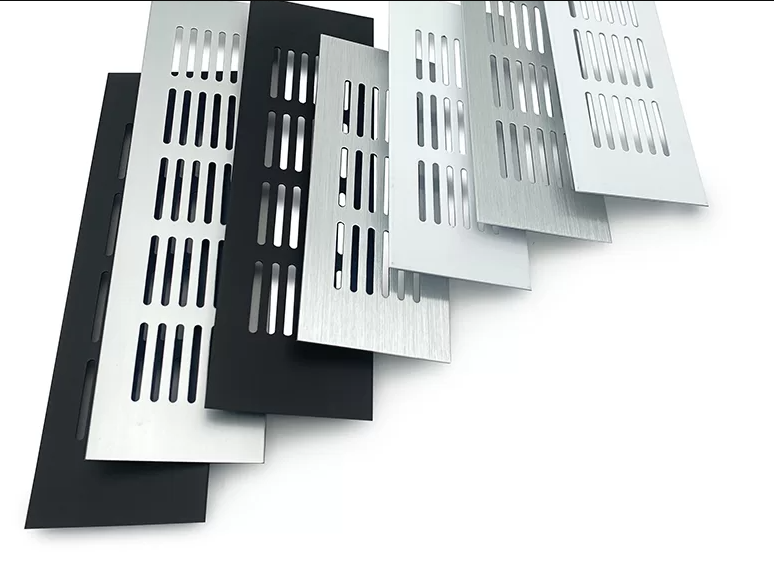
Maintaining proper airflow in a home or office is essential for comfort and indoor air quality. Poor ventilation can lead to dampness, mould, and wasted energy.
Waterproof air vents are designed to keep moisture out while allowing air to circulate efficiently. Their durable construction ensures long-lasting performance, even in wet or humid environments, making them a reliable choice for indoor and outdoor spaces. This article explains how these vents work and why they matter, giving readers practical insights to make informed decisions for their ventilation needs.
Understanding Waterproof Air Vents
Waterproof air vents are built to prevent water from entering ducts while allowing consistent airflow. They are commonly used in areas exposed to rain, condensation, or high humidity. The design ensures that ventilation continues without risking water damage or mould growth. Choosing the correct size and location is essential for performance, as poorly installed vents can reduce airflow or allow leaks. Their robust materials offer resistance to corrosion, ensuring a long service life with minimal maintenance.
Benefits of Waterproof Air Vents
The main advantage of waterproof air vents is their ability to maintain ventilation in damp conditions. They protect ducts from moisture while allowing smooth air movement, preventing damp spots and unpleasant odours. These vents are also durable, lightweight, and easy to install, making them ideal for bathrooms, kitchens, and outdoor walls. Additionally, their simple design blends well with interiors, providing functionality without affecting aesthetics.
Benefits in Brief:
- Prevents water and moisture ingress
- Durable and long-lasting
- Smooth airflow distribution
- Lightweight and easy to install
- Suitable for indoor and outdoor use
Installation Tips for Waterproof Air Vents
Correct installation is key to ensuring waterproof air vents work effectively. Ensure that you place the vents where the most air circulation is required, and if possible, protect them from direct water exposure. Ensure the vent matches duct size to maintain airflow efficiency. Regular cleaning prevents dust and debris from blocking vents, which can reduce performance. Professional advice can help achieve optimal placement and prevent issues with damp or uneven ventilation in sensitive areas.
Introduction to Aluminium Air Vents
Aluminium air vents are a popular choice for modern ventilation systems due to their strength, light weight, and resistance to corrosion. They help guide and control airflow in rooms, maintaining comfort and temperature balance. These vents can be used for both supply and return air purposes. Their versatile design allows them to suit various interior styles, from simple to contemporary, making them suitable for both homes and commercial spaces.
Advantages of Aluminium Air Vents
Aluminium air vents offer effective airflow management and durability. Aluminium air vents resist rust and corrosion, making them suitable for humid areas such as kitchens or laundry rooms. Adjustable louvres/reversers allow precise control of air direction, improving comfort without overloading the ventilation system. They are easy to clean and maintain, and their lightweight design ensures simple installation while providing long-term performance.
Advantages in Brief:
- Rust and corrosion resistant
- Adjustable louvres for controlled airflow
- Easy to clean and maintain
- Lightweight yet durable
- Suitable for residential and commercial areas
Choosing the Right Aluminium Air Vent
Selecting the correct aluminium air vent requires considering room size, airflow needs, and system compatibility. Larger spaces may need multiple vents for even air distribution. Choose a finish that matches the interior while being easy to clean. Adjustable louvres are recommended to direct airflow as needed. Consulting a professional ensures the vents complement the ventilation system, enhance comfort, and maintain efficiency over time.
Maintenance Practices for Long-Lasting Performance
Regular maintenance extends the life of both waterproof and aluminium vents. Remove dust and debris periodically to prevent blockages and ensure smooth airflow. Check for signs of damage or corrosion and clean surfaces with mild detergent to maintain finish and performance. Avoid harsh chemicals or abrasive tools that could damage vents. Well-maintained vents keep airflow consistent, reduce energy costs, and improve overall indoor air quality.
Conclusion: Improving Airflow with Reliable Ventilation
In conclusion, incorporating waterproof vents and aluminium air vents into a ventilation system ensures both moisture protection and efficient airflow. Waterproof vents prevent damp and damage, while aluminium vents provide durability and precise control. Together, they enhance comfort, indoor air quality, and system efficiency. Using the right vents in appropriate locations allows long-term performance and reliability. Consider these practical solutions to maintain healthy, well-ventilated spaces throughout the year.