
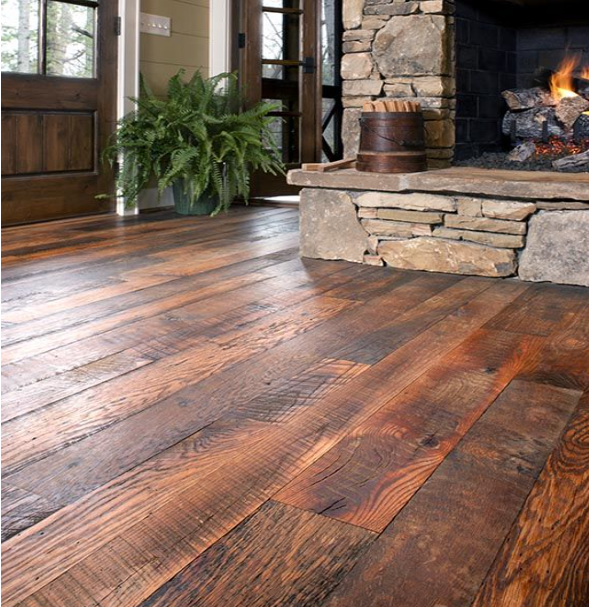
If you’re planning floor sanding Sutherland Shire, one of the first questions you’ll likely ask is how long the process will take. Whether you’re renovating, moving into a new home, or simply restoring your timber floors, understanding the timeline helps you plan everything more efficiently.
While the exact duration can vary, most floor sanding projects follow a clear and structured timeline.
What Affects the Timeline?
The time required for sanding depends on several factors, including:
- The size of the area
- The condition of the timber
- The type of finish being applied
- The level of preparation required
For example, a small room with minimal damage will take less time than a large open-plan space with heavily worn floors. Similarly, older homes in areas like floor sanding St George NSW projects may require additional preparation due to the age and condition of the timber.
Typical Floor Sanding Timeline
Although every project is different, most timber floor sanding jobs can be broken down into three main stages:
1. Preparation (Half Day to 1 Day)
Before sanding begins, the space must be cleared of furniture and inspected for any repairs. This stage ensures the floor is ready for a smooth and efficient process.
2. Sanding (1–2 Days)
The sanding process itself usually takes one to two days, depending on the size and condition of the floor. Multiple passes are required to remove imperfections and create a flat surface.
3. Finishing (2–3 Days)
After sanding, the finishing stage begins. This involves applying protective coatings, which require time to dry between coats. The number of coats and drying time can extend this stage.
Drying and Curing Time
One of the most important parts of the process is allowing the finish to dry and cure properly. While the floor may feel dry to the touch within hours, it takes longer for the finish to fully harden.
Typically:
- Light foot traffic is allowed after 24 hours.
- Furniture can be moved back after a few days.
- Full curing may take up to a week or more.
Following these guidelines ensures the finish remains durable and long-lasting.
How to Speed Up the Process
While you can’t rush sanding and finishing too much without affecting quality, there are ways to make the process more efficient:
- Prepare the space in advance
- Remove all furniture before the team arrives
- Ensure easy access to the work area
- Choose faster-drying finishes if suitable
Proper planning helps avoid delays and keeps the project on track.
Minimising Disruption
Floor sanding can temporarily disrupt your daily routine, especially if it involves large areas of your home. To minimise inconvenience:
- Plan alternative spaces for daily activities
- Consider temporary accommodation for larger projects
- Schedule the work during a convenient time
Modern sanding systems have made the process cleaner and more efficient, which also helps reduce disruption compared to traditional methods.
Why Quality Takes Time
It’s important to remember that achieving a high-quality finish requires patience. Rushing the process can lead to uneven surfaces, poor adhesion of finishes, and reduced durability.
Professional sanding involves careful attention to detail at every stage, ensuring that the final result meets high standards.
When Should You Schedule Floor Sanding?
The best time to schedule sanding is during a renovation or when you can allow the space to remain unused for a few days. This gives the finish enough time to cure properly without interruptions.
Planning ahead ensures that the project fits smoothly into your schedule.
Professional Expertise Makes a Difference
Experienced professionals can provide a clear timeline based on your specific project. They will assess your floors, recommend the best approach, and ensure the work is completed efficiently without compromising quality.
Their expertise helps avoid delays and ensures a smooth process from start to finish.
Final Thoughts
Floor sanding is a structured process that typically takes a few days from start to finish, depending on the size and condition of your floors. While it requires some planning, the results are well worth the effort.
If you’re ready to restore your timber floors with a professional and efficient approach, Pro Finish Flooring offers expert sanding services tailored to your timeline. Get in touch today to achieve high-quality results with minimal disruption.