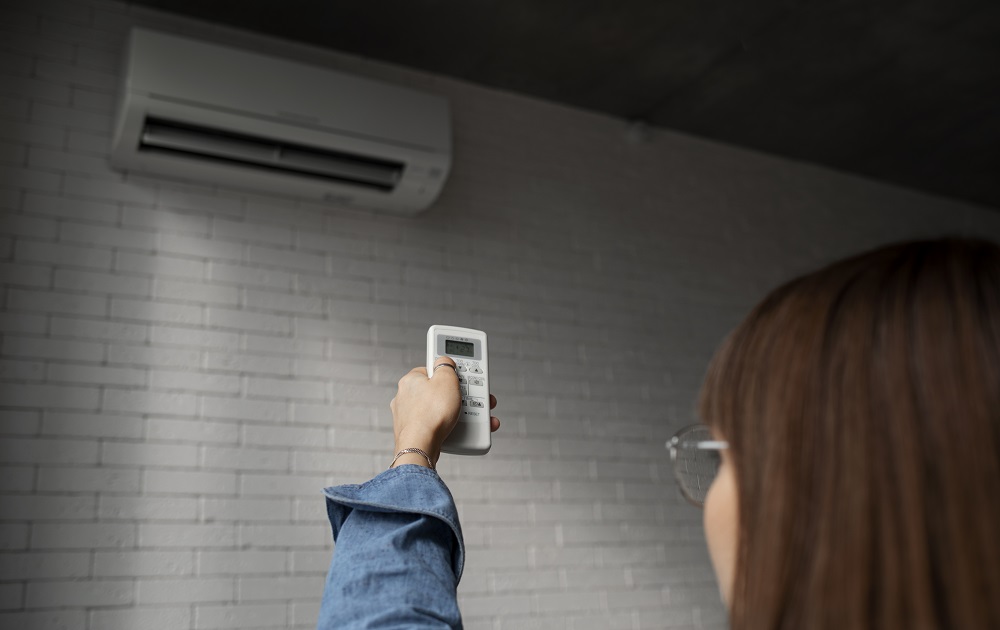
Keeping your home cool during the warmer months can put significant pressure on your air conditioner and your energy budget. Fortunately, improving efficiency does not always require replacing the entire system. Simple maintenance habits, smarter temperature settings, and attention to airflow can help your AC operate more effectively. If you need professional AC repair and maintenance in Northern Colorado, addressing small problems early can also help prevent unnecessary energy waste.
1. Replace or Clean the Air Filter Regularly
One of the easiest ways to support an efficient air conditioner is to keep its air filter clean. The filter catches dust, dirt, and other airborne particles before they enter the system. Over time, however, it can become clogged.
A dirty filter restricts airflow, forcing the AC to work harder to circulate cooled air throughout the home. This can increase energy consumption while making the system less effective at maintaining a comfortable temperature.
Check the filter according to the manufacturer’s recommendations and replace or clean it when necessary. Homes with pets, frequent dust, or higher occupancy may require more frequent attention. Using the correct filter for your specific system is also important because an unsuitable filter can affect airflow.
A clean filter is a small maintenance task, but it can make a meaningful difference in how smoothly your air conditioner operates.
2. Use Your Thermostat Strategically
Your thermostat has a direct influence on how frequently your air conditioner runs. Setting the temperature extremely low does not necessarily cool a home faster. Instead, it can cause the system to run for longer periods and consume more electricity.
During summer, choose a comfortable temperature rather than the lowest setting possible. You can also raise the temperature when everyone is away from home or while you’re sleeping, depending on your household routine.
A programmable or smart thermostat can make this easier by automatically adjusting temperatures according to a schedule. For example, you can set a higher temperature during work or school hours and return to a preferred setting before everyone arrives home.
Avoid making dramatic temperature changes throughout the day. Consistent, reasonable settings generally give your system a more predictable workload.
3. Keep Vents and Registers Clear
Your air conditioner can only distribute cooled air effectively if air has a clear path through the home. Furniture, curtains, rugs, or other household items can accidentally block supply vents and registers.
Walk through each room and make sure vents are open and unobstructed. If a vent is covered by furniture, moving the obstruction can improve air circulation without requiring any changes to the AC itself.
It is also worth paying attention to rooms that consistently feel warmer or cooler than others. Uneven temperatures can sometimes indicate airflow problems, duct issues, insulation concerns, or an improperly balanced system.
Do not close a large number of vents in an attempt to force more cool air into certain rooms. Your HVAC system is designed to operate with a particular airflow balance, and restricting too many registers can interfere with efficient operation.
4. Maintain the Outdoor Unit
The outdoor condenser plays an essential role in removing heat from your home. Because it is exposed to the elements, the area around it can accumulate leaves, grass clippings, dirt, and other debris.
Keep the space around the outdoor unit reasonably clear so air can move freely. Plants and other objects should not crowd the equipment. Before cleaning or performing any maintenance around the unit, follow the manufacturer’s safety instructions and turn off power when appropriate.
Outdoor coils can also become dirty over time. When the coils are covered with debris, the system may have more difficulty releasing heat, which can reduce efficiency.
Routine professional maintenance can help identify buildup, damaged components, electrical concerns, and other issues that may affect performance. Preventive attention is often easier than waiting until an air conditioner stops working during a period of high demand.
5. Address Small Problems Before They Become Bigger
An air conditioner that is struggling to cool your home may be using more energy than it should. Warning signs can include unusual noises, weak airflow, frequent cycling, inconsistent temperatures, unpleasant odors, or a noticeable decline in cooling performance.
Ignoring these symptoms can allow a relatively minor issue to become more complicated. For example, a system that is not operating correctly may run longer than necessary as it attempts to reach the thermostat setting.
Professional inspections can help determine whether the problem involves airflow, electrical components, refrigerant, the thermostat, or another part of the system. A qualified HVAC technician can also assess whether routine maintenance is needed to keep the equipment operating properly.
This does not mean every unusual sound or temperature change requires an expensive repair. The important step is to investigate persistent changes rather than allowing them to continue indefinitely.
Conclusion
Energy efficiency is not usually the result of one dramatic adjustment. It comes from several small choices that work together. Replacing a dirty filter, keeping vents unobstructed, using sensible thermostat settings, maintaining the outdoor unit, and responding to performance problems can all help your air conditioner do its job without unnecessary strain.
It is also important to recognize the limits of maintenance. Older or poorly matched equipment may naturally be less efficient than newer systems. If your AC requires frequent repairs or struggles to maintain comfortable temperatures despite proper care, an HVAC professional can help you evaluate whether continued repairs or eventual replacement makes more sense.
The goal is simple: give your air conditioner the conditions it needs to operate efficiently. With regular attention and timely professional care, you can improve comfort while taking practical steps to manage cooling-related energy use.