
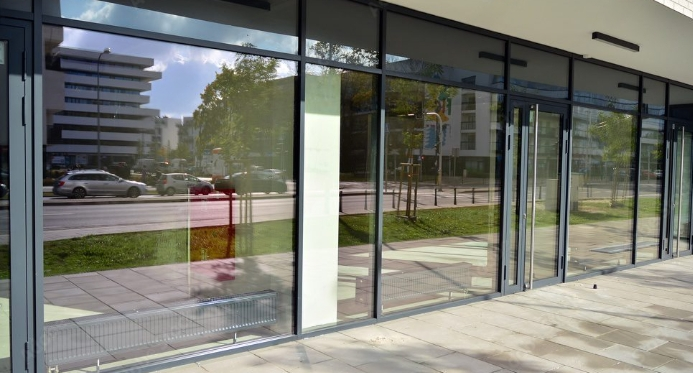
A storefront entrance does more than provide a way into a building. It influences how customers approach a business, how people move through the space, and how the property looks from the street. For retailers, offices, restaurants, clinics, and other customer-facing businesses, the entrance is part of both daily operation and exterior design.
That is why decisions about storefront glass, aluminum framing, door hardware, and installation should balance appearance with visibility, security, accessibility, durability, and maintenance.
Start With the Way the Entrance Is Used
Different commercial properties place different demands on an entrance. A professional office may see moderate traffic, while a busy retail store may have customers using the door throughout the day. Restaurants may need better weather control, while medical or service facilities may require easier access.
Before selecting a system, property owners should consider traffic volume, opening size, surrounding storefront construction, security needs, and the type of hardware required. These details help determine whether a standard storefront configuration is suitable or whether a more customized solution makes sense.
For businesses considering Commercial Storefront Glass Installation, accurate measurement and compatibility with the existing framing are especially important. Even an attractive glass door can become difficult to operate if the frame, hinges, pivots, closers, or threshold are not properly coordinated.
Why Aluminum and Glass Work Well Together
Aluminum is widely used in commercial storefront systems because it provides a clean appearance without creating a visually heavy entrance. It can support large glass areas, helping businesses maintain visibility between the interior and the street.
Glass also allows natural light to reach entry areas and can make smaller commercial spaces feel more open. Depending on the project, businesses may consider clear, tinted, tempered, laminated, insulated, or Low-E glass.
The right glass type depends on the purpose of the entrance. Safety, energy performance, privacy, glare control, and local conditions can all influence the selection. The goal should not simply be to choose the most decorative option, but to select glass that works with the building and its daily use.
Durability Matters in High-Traffic Locations
Commercial entrances are exposed to constant movement. Door closers, handles, locks, hinges, pivots, weather seals, and framing all experience wear over time. When one component begins to fail, the door may drag, close too quickly, fail to latch, or become difficult for customers to use.
Regular inspection can help businesses identify small issues before they lead to more disruptive repairs. Owners and property managers should pay attention to:
- Doors that no longer close or latch consistently
- Loose handles, damaged seals, or misaligned hardware
- Cracks, chips, or movement in the surrounding glass
These signs do not always mean an entire entrance needs replacement. In some cases, adjusting or replacing individual components may restore proper operation.
Matching the Door to the Property
Appearance still matters, particularly for businesses where the storefront is part of the customer experience. Aluminum finishes, glass selection, handle style, and framing proportions should fit the building rather than look like unrelated additions.
Businesses researching Commercial Aluminum Doors Birmingham MI should also think about how a replacement door will integrate with the existing storefront. Matching the dimensions and appearance of surrounding framing can create a more consistent result and reduce unnecessary alterations.
For renovation projects, older storefronts may also have worn frames, outdated hardware, or entrance configurations that no longer suit the property. A professional assessment can determine what can remain and what should be replaced.
Accessibility and Everyday Convenience
A commercial entrance should be practical for a wide range of visitors. Door width, threshold conditions, opening force, handles, closers, and surrounding clearance can all affect usability. Accessibility requirements should therefore be considered early in the planning process rather than treated as an afterthought.
The same is true for security. Locking hardware and glass selection should reflect the needs of the property without making the entrance inconvenient during normal business hours.
Planning for Long-Term Maintenance
A storefront entrance is easier to manage when maintenance is considered from the beginning. Choosing durable materials, appropriate hardware, and replaceable components can make future servicing more straightforward.
Glass should be cleaned with suitable products, hardware should be inspected periodically, and unusual movement or resistance should be addressed early.
Conclusion
The best commercial storefront entrance is not necessarily the most elaborate one. It is the system that fits the opening correctly, supports daily traffic, complements the building, and remains manageable over time.
By considering glass type, aluminum framing, hardware, security, accessibility, and maintenance together, business owners can make more informed choices. A well-designed storefront entrance can improve the appearance of a commercial property while also supporting safer, smoother, and more reliable everyday use.
