In Singapore’s humid tropical climate, pests such as termites, cockroaches, and rodents flourish in HDB flats, condominiums, landed homes, offices, food outlets, warehouses, and factories—each presenting distinct challenges. Professionals like Aardwolf Pestkare employ Integrated Pest Management (IPM), utilizing eco-friendly monitoring, prevention, and tailored strategies to safeguard your premises effectively. Whether it’s adaptations for high-density living or robust industrial protections, this guide offers reliable, customized pest control solutions to keep your Singapore property pest-free.
Key Takeaways:
- Residential HDB/condos require high-density adaptations like targeted baiting to combat cockroaches and ants in compact spaces, ensuring safe, effective pest control.
- Landed properties focus on garden and structural defenses against Termites, using soil treatments and barriers for comprehensive rodent control.
- Commercial and industrial sites employ Integrated Pest Management (IPM) with monitoring and eco-friendly pest control, tailored for food outlets, offices, warehouses, and factories.
Understanding Pest Challenges in Singapore Properties
Singapore’s tropical climate and humid climate create ideal conditions for common pests like termites, cockroaches, rodents, mosquitoes, and bed bugs to thrive, leading to pest infestations that pose serious health risks such as dengue fever, leptospirosis, salmonellosis, and property damage through gnaw marks, mud tubes, and compromised structural integrity.
In HDB flats, residents often spot coffee ground droppings from cockroaches or hear scratching sounds from rodents in walls. These household pests spread quickly in tight spaces, triggering allergies, asthma, or diseases like salmonella and typhoid fever.
Professional pest controllers conduct thorough pest inspections to identify entry points such as gaps around pipes or doors. They also check for standing water in drains, which attracts mosquitoes carrying dengue, Zika, and chikungunya.
The National Environment Agency (NEA) emphasizes early detection and pest prevention through regular checks for signs like discarded wings from termites or itchy bites from bed bugs. DIY pest control works for minor issues, but pros use specialized equipment for lasting results in Singapore’s challenging environment.
Common Pests and Their Property-Specific Threats
Common pests in Singapore including termites, cockroaches, Rodents like Rats and Mice, Mosquitoes, Bed Bugs, and Ants present property-specific threats such as termite infestation damaging structural integrity via mud tubes, rodents causing gnaw marks and spreading leptospirosis or salmonellosis, mosquitoes transmitting dengue fever, zika, or malaria, and bed bugs leading to itchy bites and allergies.
Household pests like cockroaches carry pathogens linked to typhoid fever and Salmonella, thriving in the tropical climate of HDB flats and condominiums. Look for coffee ground droppings or a musty odor as signs of pest identification. Early detection helps prevent health risks from these pest species.
In landed properties and commercial buildings, rodents exploit entry points like gaps in walls, spreading dengue, chikungunya, or asthma-triggering allergens. Termites leave discarded wings near windows, signaling active colonies. Aardwolf Pestkare offers pest inspection to spot these threats quickly.
Mosquitoes breed in stagnant water, posing dangers in humid environments, while ants invade kitchens seeking food. NEA certified experts use integrated pest management for eco-friendly pest control. Contact Aardwolf Pestkare for customized treatment plans tailored to your property type.
Pest Control for Residential Properties (HDB/Condos)
For HDB flats and condominiums in Singapore, pest control services target high-density space challenges where cockroaches, bed bugs, ants, and other household pests spread quickly through shared entry points, requiring tailored preventive measures, professional pest control, and eco-friendly pest control to avoid health risks like allergies, asthma, and dengue.
Integrated pest management forms the core of these services, combining monitoring, pest identification, and targeted treatments. NEA certified professionals from Aardwolf Pestkare use customized treatment plans to address specific pest species in humid climates.
Cockroaches carry salmonella and cause allergies, while bed bugs lead to itchy bites and sleep disruption. Ants invade kitchens, and rodents leave gnaw marks that signal property damage. Early detection through pest inspections prevents full infestations.
Aardwolf Pestkare offers safe methods with non-chemical treatments alongside chemical treatments, backed by service guarantees. Their approach minimizes health risks like leptospirosis from rodents and ensures structural integrity in HDB flats and condos.
High-Density Space Adaptations
In high-density HDB flats and condominiums, adaptations focus on sealing entry points and eliminating stagnant water to prevent mosquito control issues and rapid pest infestations from cockroaches and ants.
Professional pest controllers use specialized equipment for thorough pest inspections in tight spaces. They seal cracks around pipes and windows, common entry points for ants and cockroaches, unlike ineffective DIY pest control methods.
- Remove standing water from flower pots to stop mosquitoes breeding dengue and zika.
- Conduct regular early detection for bed bugs through signs like discarded wings or coffee ground droppings.
- Apply eco-friendly products to avoid pest resistance in shared areas.
Aardwolf Pestkare employs integrated pest management with natural predators and non-chemical treatments for mosquitoes and rodents. This tailored strategy suits Singapore’s tropical climate, reducing health risks like typhoid fever and maintaining pest prevention in condos.
Pest Control for Landed Properties
Landed property in Singapore face unique pest control needs for gardens and structural protection against termites building mud tubes and rodents like rats and mice causing gnaw marks, demanding thorough pest inspection and termite control.
These homes often suffer property damage from termites that compromise structural integrity. Rodents create entry points through walls and chew wiring, posing health risks like leptospirosis and salmonellosis. Professional pest controllers use specialized equipment for early detection of pest infestation.
Aardwolf Pestkare excels in customized treatment plans for landed properties. Their NEA-certified team identifies pest species like rats and mice through signs such as coffee ground droppings and gnaw marks. This ensures effective rodent control and prevents ongoing damage.
In Singapore’s tropical climate, preventive measures are key. Regular inspections spot discarded wings from termites and seal entry points. Aardwolf Pestkare’s expertise provides service guarantees for lasting protection against common pests.
Garden and Structural Protection
Garden and structural protection in landed properties involves non-chemical treatments and leveraging natural predators to combat termite infestation and ants without harming the environment.
Eco-friendly products build pest resistance in gardens against ants and mosquitoes breeding in stagnant water. Integrated pest management (IPM) combines these with physical barriers around trees and foundations. This approach minimizes chemical use while targeting household pests.
For structures, professionals apply treatments to mud tubes and entry points. Natural predators like beneficial nematodes control termites underground. These safe methods protect wooden elements from gnaw marks by rodents.
Aardwolf Pestkare promotes sustainable IPM for landed properties in humid climates. They use pest identification to choose eco-friendly options over rodenticides. This ensures long-term pest prevention and preserves garden health.
Pest Control for Commercial Properties
Commercial building like food outlets and offices require robust pest control services to manage rodents, cockroaches, and other pests, ensuring NEA compliance with licenses and certifications to mitigate health risks like salmonellosis.
Professional pest control in Singapore adapt strategies for high-traffic areas, focusing on integrated pest management to prevent infestations that could lead to property damage or shutdowns by the National Environment Agency.
These services often include service guarantees, regular pest inspections, and customized treatment plans to address common pests such as rats and cockroaches in the tropical climate.
Early detection through signs like gnaw marks or coffee ground droppings allows for quick intervention, protecting structural integrity and public health from diseases like leptospirosis or allergies.
Food Outlets and Offices
Food outlets and offices use specialized equipment and chemical treatments alongside safe methods to eradicate cockroaches and rodents swiftly, preventing contamination and achieving bed bug eradication where needed.
In food outlets, rodenticides and non-chemical treatments target rats that carry typhoid fever, while offices focus on cockroach control and ant control to avoid asthma triggers from their droppings.
- Seal entry points around doors and pipes to block Rodents, Rats, Mice and Cockroaches.
- Implement hygiene practices like proper waste disposal for pest problems and pest prevention.
- Schedule routine pest eradication with NEA certified professionals for quick response in Singapore.
These adaptations ensure pest infestations do not disrupt operations, with eco-friendly products minimizing risks like Leptospirosis and Salmonella in busy commercial buildings while maintaining compliance with National Environment Agency standards.
Pest Control for Industrial Properties
Industrial properties such as warehouses and factories combat large-scale pest infestations from Termites and Mosquitoes using Integrated Pest Management (IPM) for effective, long-term control.
IPM combines pest monitoring, early detection, and targeted treatments to address property damage in Singapore’s tropical climate. This approach minimizes health risks like Dengue Fever from mosquitoes or Zika, structural threats from termites.
Professionals develop customized treatment plans based on pest identification, such as spotting mud tubes for Termites or standing water for Mosquitoes. These plans promote scalability, adapting to large spaces with eco-friendly pest control methods.
Regular pest inspections using specialized equipment ensure pest prevention. Services often include NEA-certified experts who use safe methods to handle high-risk areas without disrupting operations.
Warehouses and Factories
Warehouses and factories employ the scientific method for monitoring Rodents and Bed Bugs, ensuring minimal downtime with professional interventions.
Teams focus on preventive measures like sealing entry points and installing traps to stop rodent control issues early. Common signs include gnaw marks or coffee ground droppings, prompting quick Bed Bug eradication.
- Conduct routine pest monitoring in storage areas to catch infestations of Ants.
- Use non-chemical treatments alongside rodenticides for eco-friendly results.
- Implement customized treatment plans for high-traffic zones prone to cockroaches and ants.
These tactics reduce pest infestations that spread diseases like Salmonellosis and Typhoid Fever from rodents.
Professional pest controllers in Singapore tailor solutions to maintain structural integrity and comply with National Environment Agency standards.
Integrated Pest Management for All Property Types
Integrated Pest Management (IPM) suits all property types like HDB in Singapore, combining eco-friendly pest control, pest prevention, and early detection to tackle pest problems sustainably. This approach works well for HDB flats, condominiums, landed properties, and commercial buildings in the tropical climate. It minimizes health risks from pests like cockroaches, rodents, and mosquitoes causing Malaria.
IPM relies on natural predators and non-chemical treatments to reduce reliance on harsh chemicals. For example, introducing beneficial insects helps control aphids and ants without harming the environment. Property owners benefit from lower long-term costs and less property damage.
Early detection through regular checks prevents full-blown pest infestations. Professional pest controllers use customized treatment plans tailored to specific sites, such as sealing entry points in high-rise units. This method aligns with guidelines from the National Environment Agency (NEA) for safe, effective results.
In Singapore’s humid climate, IPM addresses common pests like termites and bed bugs effectively. It promotes preventive measures over reactive sprays, ensuring structural integrity and resident safety. Experts recommend it for sustainable pest control services across all properties.
Monitoring, Prevention, and Eco-Friendly Methods
Monitoring, prevention, and eco-friendly methods through regular pest inspection ensure safe methods that reduce pest resistance across properties. Professionals identify pest species early, spotting signs like gnaw marks from rodents or mud tubes from termites. This scientific method keeps infestations in check.
Pest identification is key, distinguishing between household pests such as Ants, cockroaches, Bed Bugs, and booklice. In HDB flats, inspectors check for coffee ground droppings indicating Termite activity. Prevention includes sealing cracks and eliminating stagnant water to block mosquitoes carrying dengue or Zika.
Eco-friendly options like Bacillus thuringiensis target larvae of Mosquitoes and flies without broad harm. Non-chemical treatments use natural predators, such as ladybugs for Ant control. These approaches suit commercial buildings and landed properties alike, minimizing allergies and asthma triggers.
Regular pest inspection reveals entry points and breeding sites, enabling targeted action. For rodent control, traps outperform rodenticides in reducing risks like leptospirosis or salmonellosis. NEA-certified services provide these safe methods, backed by licenses and certifications for reliable results.
Benefits of Tailored Professional Pest Control
Tailored professional pest control from NEA certified experts like Aardwolf Pestkare offers service guarantees, customized treatment plans, and protection from health risks and property damage. These services adapt to Singapore’s tropical climate and diverse property types, from HDB flats to commercial buildings. Homeowners and businesses gain peace of mind knowing treatments target specific pest infestations.
Using the scientific method, professionals conduct thorough pest inspections to identify species like cockroaches, Rodents, or Termites. This leads to integrated pest management plans that combine chemical and non-chemical treatments for lasting results. Unlike DIY pest control, these approaches build pest resistance prevention into every step.
Customized plans address unique challenges, such as sealing entry points in landed properties or managing stagnant water in condominiums. Aardwolf Pestkare’s NEA certified teams use specialized equipment and safe methods to minimize disruption. Results include reduced health risks from diseases like Dengue Fever, Leptospirosis, and Salmonellosis.
Businesses benefit from preventive measures that protect structural integrity and comply with National Environment Agency guidelines. Early detection of signs like mud tubes or gnaw marks prevents costly damage. Tailored services ensure eco-friendly pest control fits any environment.
Choosing Reliable Pest Control Services in Singapore
Choosing reliable pest control services in Singapore means selecting NEA certified providers with licenses, certifications like EPA and EU standards, WHO guidelines, and experienced professional pest controllers for effective results. These providers follow strict guidelines from the National Environment Agency to ensure safe and efficient treatments. Look for companies like Aardwolf Pestkare that prioritize compliance and customer safety.
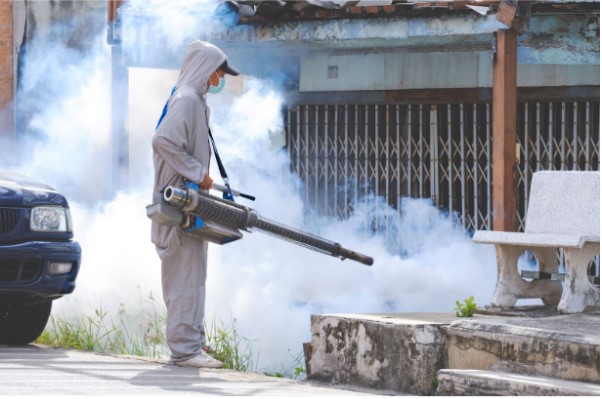
Verify that the service offers termite control and rodent control expertise tailored to Singapore’s tropical climate. Professional pest controllers use specialized equipment for pest identification and customized treatment plans. This approach addresses common pests like cockroaches, bed bugs, and mosquitoes effectively.
Check for service guarantees and a commitment to integrated pest management, which combines chemical and non-chemical treatments. Reliable firms conduct thorough pest inspections to detect entry points and early signs of infestation, such as mud tubes from termites or gnaw marks from rodents. They also emphasize preventive measures to protect property from damage.
- Confirm NEA licenses and certifications for all technicians.
- Review experience with local pests like Ants, Rodents, mouse, and household pests in HDB flats, condominiums, and commercial buildings.
- Ask about eco-friendly products and safe methods from providers like ORIGIN Exterminators to minimize health risks like Dengue Fever or allergies.
The National Environment Agency (NEA) in Singapore regulates pest control to combat pests like Rodents, Rats, Mice, Cockroaches, Ants, Mosquitoes, Bed Bugs and Termites, preventing diseases such as Dengue Fever, Zika, Malaria, Leptospirosis, Salmonellosis, Typhoid Fever and Salmonella.
Frequently Asked Questions on Integrated Pest Management (IPM)
How do Pest Control Singapore Solutions Adapt to Different Property Types like HDB flats?
Pest Control Singapore solutions, such as those from Aardwolf Pestkare or ORIGIN Exterminators, adapt to HDB flats by using targeted, low-toxicity treatments like Bacillus thuringiensis that minimize disruption in densely populated residential areas. For termite control, they employ non-invasive baiting systems and gel applications to protect structural integrity without affecting neighbors, adhering to standards from EPA, Environmental Protection Agency, EU and WHO.
How Pest Control Singapore Solutions Adapt to Different Property Types such as landed homes?
In landed homes, Pest Control Singapore solutions from experts like Aardwolf Pestkare focus on perimeter treatments and soil barriers for comprehensive termite protection. These methods account for larger gardens and open spaces, integrating eco-friendly options to safeguard family living areas effectively.
How do Pest Control Singapore Solutions Adapt to Different Property Types in commercial buildings?
Pest Control Singapore solutions adapt to commercial buildings by implementing scheduled, discreet services during off-hours. Aardwolf Pestkare specializes in termite inspections using advanced detection tools, ensuring minimal business interruption while preventing costly structural damage in offices and retail spaces.
How Pest Control Singapore Solutions Adapt to Different Property Types like condominiums?
For condominiums, Pest Control Singapore solutions prioritize integrated pest management (IPM) tailored to shared spaces. Aardwolf Pestkare offers termite control through void treatments and monitoring stations, balancing resident safety with effective eradication across multiple units.
How do Pest Control Singapore Solutions Adapt to Different Property Types in industrial facilities?
Pest Control Singapore solutions for industrial facilities involve heavy-duty, customized programs addressing high-risk areas like warehouses. Aardwolf Pestkare excels in termite control with structural fumigation and preventive coatings, adapting to large-scale operations while complying with safety regulations.
How Pest Control Singapore Solutions Adapt to Different Property Types such as hotels and hospitality venues?
In hotels, Pest Control Singapore solutions use hygiene-focused, odorless treatments to maintain guest comfort. Aardwolf Pestkare provides termite control expertise through discreet bait systems and regular audits, ensuring high standards of pest-free environments in hospitality settings.