
Zero-waste living doesn’t usually fail because people don’t care. It fails because the setup at home doesn’t support the intention.
Most households start with good motivation. They want to recycle properly. They want to compost. They want less rubbish going to landfill. But then real life kicks in. Cooking gets rushed. Bins overflow. Things get thrown into the closest option just to keep moving.
That’s where the kitchen bin quietly becomes a problem—or a solution.
The Bin Is Used More Than Almost Anything Else
In the kitchen, the bin is used constantly. Not once a day. Not even five times. It’s opened over and over—after chopping vegetables, clearing plates, opening packaging, wiping benches.
Because it’s used so often, the bin setup has a bigger influence on behaviour than most people realise. If it’s inconvenient, poorly placed, or confusing, people stop trying to “do the right thing.” They just throw everything together.
A good kitchen bin setup doesn’t rely on willpower. It relies on ease.
One Bin Encourages One Bad Habit
The classic single bin under the bench trains people to treat all waste the same. Food scraps, recycling, general waste—it all goes in together. Once that habit forms, it’s hard to undo.
Zero-waste homes don’t usually have better intentions. They have better systems.
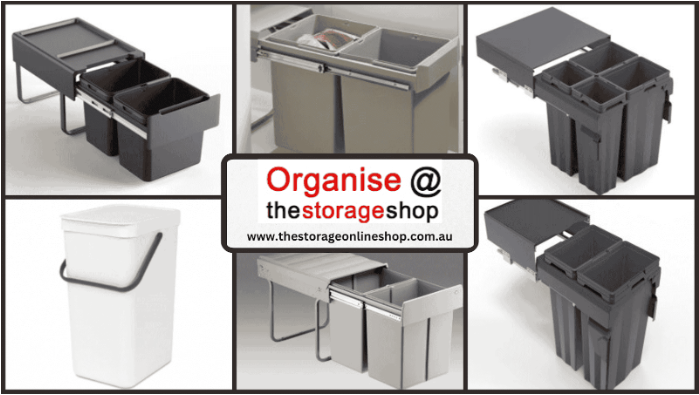
Under sink rubbish bins are popular for a reason. They keep waste close to where it’s created, without cluttering the kitchen. More importantly, they often allow separation. Two compartments. Sometimes three. Suddenly, sorting doesn’t feel like extra work.
You open the door. You choose the right section. Done.
No second step. No guilt later.
Composting Only Works If It’s Convenient
A lot of people give up on composting, not because they don’t believe in it, but because it becomes annoying. Small countertop bins smell. Bags leak. Scraps pile up when no one feels like emptying them.
A proper kitchen bin with a removable compost container changes that experience completely. Food waste can be dropped straight in while cooking. When it’s full, the container comes out easily and gets emptied without mess.
Once composting stops being “that thing you should do” and becomes just part of cooking, the amount of waste going to landfill drops fast.
Why Pull Out Kitchen Bins Make a Difference
Pull out kitchen bins might seem like a design choice, but they affect behaviour more than people expect.
When a bin slides out smoothly, people use it properly. When it’s hidden but accessible, kitchens stay cleaner. When it holds multiple waste streams, sorting becomes automatic.
There’s also a practical benefit. Pull out bins are easier to clean. They don’t get knocked over. They don’t sit in the corner collecting grime. A clean bin is more likely to be used correctly, especially for compost and recycling.
It sounds simple, but hygiene plays a big role in whether sustainable habits last.
Less Plastic, Without Trying Harder
Another quiet benefit of choosing the right kitchen bin is reducing plastic bag use.
Cheap bins often need thick liners because they don’t fit well or leak easily. Better-designed bins are sturdy and well-sized, which means people can switch to compostable liners—or sometimes no liners at all.
This doesn’t feel like a sacrifice. It feels like an upgrade. Over time, it noticeably cuts down on plastic waste without requiring extra effort.
Durability Is Part of Zero-Waste Living
Zero-waste isn’t just about what you throw away. It’s also about what you buy and how often you replace it.
Flimsy bins crack. Lids break. Slides fail. Then they get thrown out and replaced, creating more waste in the process.
A solid kitchen bin—especially under sink rubbish bins and pull out kitchen bins that get heavy daily use—needs to last. When something works properly for years, it supports sustainability better than constantly upgrading cheap alternatives.
 A System Everyone Can Follow
One of the biggest reasons zero-waste systems fail is complexity. If only one person in the household understands how it works, it won’t last.
Good bin systems are obvious. Recyclables go here. Food scraps go there. General waste has its place. No labels needed. No instructions.
When the setup makes sense, everyone uses it correctly without thinking about it. That’s when habits stick.
Final Thoughts
Zero-waste goals don’t succeed because people try harder. They succeed because homes are set up better.
The right kitchen bin doesn’t demand discipline or constant reminders. It quietly guides everyday behaviour. It makes sorting easier, composting cleaner, and waste reduction realistic.
If you want less rubbish in your bin each week, start with the bin itself. It’s one of the simplest changes you can make—and one of the most effective.
For practical options designed to support real kitchens and real habits, you can explore kitchen bin solutions at our online website:


